Smart Thermal-Risk System
- Case ID
- EIA-09
- Module
- A6.Environment
- Application
- Thermal risk
- Industry
- Heavy-load metalworking plant
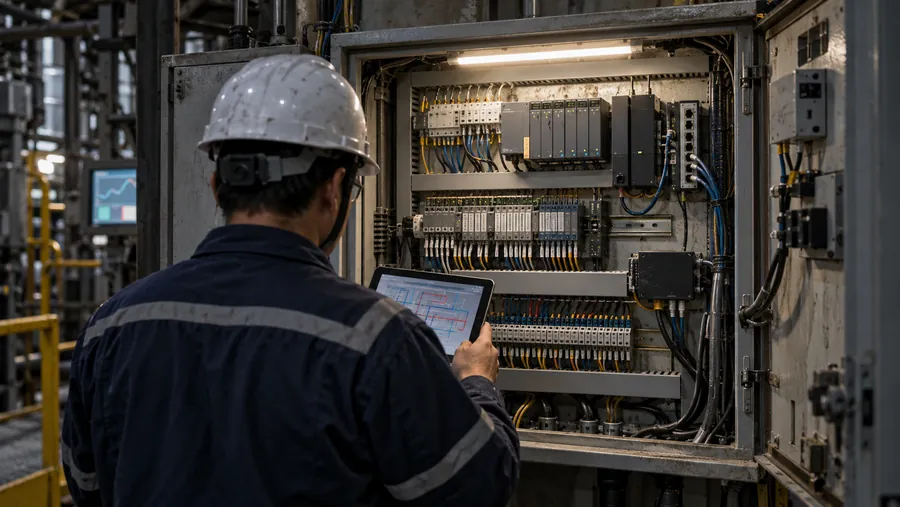
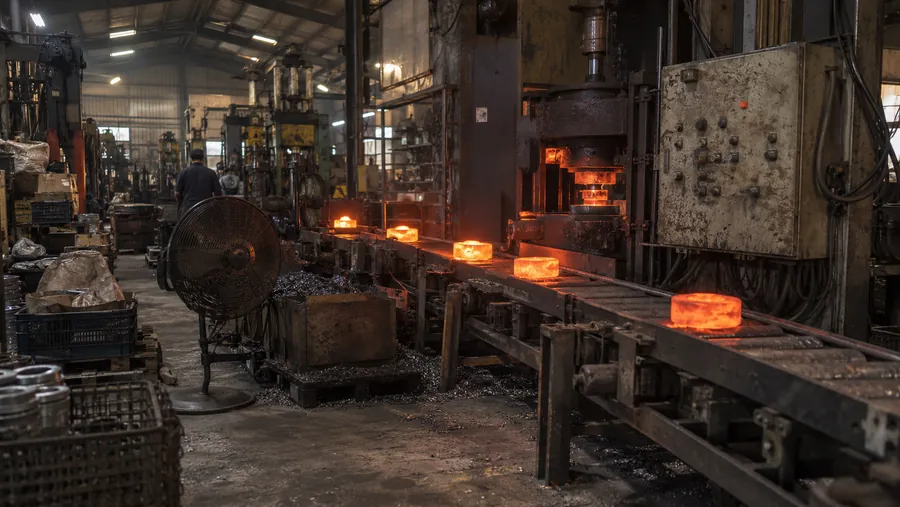
How do electrical temperatures change when loads rise?
The metalworking plant continuously records hotspot temperatures, events and trends, tracking changes overnight, on holidays and during heavy-load periods as reference for on-site inspection and response.
From the site problem to a system approach.
- 01The challenge
Manual inspections may not catch temperature rises caused by nighttime, holiday or load changes.
- 02The system approach
Bring thermal-risk data into a process for continuous monitoring, event alerts and trend tracking.
- 03Reported outcome
Make thermal-risk management traceable over time instead of relying on one-off inspections.
System architecture and data flow.
Thermal sensors, a Gateway and a platform form a four-layer monitoring architecture with site-level visualization. Source diagrams retain some original Traditional Chinese labels.
- EHS Dashboard
- 告警推播
- 稽核報表
- 行動瀏覽
- CaseOn-site inspection reference
- EHS Dashboard環境總覽 · 異常站點
- 告警推播Email / LINE · 責任人通知
- 稽核報表歷史趨勢 · 追溯下載
- 行動瀏覽主管手機 · 即時查看
- Case signalOn-site inspection referenceSource|Case story:The metalworking plant continuously records hotspot temperatures, events and trends, tracking changes overnight, on holidays and during heavy-load periods as reference for on-site inspection and response.
REST API · WebSocket · LINE Webhook- Environment Dashboard
- Threshold Alerts
- Site Management
- Event Log
- Audit Reports
- CaseOvernight, holiday and heavy-load periods
- Environment Dashboard溫濕度 / IAQ · 即時總覽
- Threshold Alerts門檻告警 · 分級通知
- Site Management站點 / 設備 · 點位管理
- Event Log事件履歷 · 追溯資料
- Audit Reports稽核 / 追溯 · 報表匯出
- Case signalOvernight, holiday and heavy-load periodsSource|Case story:The metalworking plant continuously records hotspot temperatures, events and trends, tracking changes overnight, on holidays and during heavy-load periods as reference for on-site inspection and response.
TCP/IP over HTTPS- EIA Gateway
- 既有平台 Box
- 本地資料暫存
- EIA GatewayRS485 / Modbus · 感測器接入
- 既有平台 Box站點與設備對應 · 資料整理
- 本地資料暫存斷網補傳 · 事件不遺失
Modbus TCP / MQTT / API- 溫濕度 / IAQ
- 冷鏈 / 倉儲
- 匯流排 / 熱點
- 巡檢 / 事件
- CaseHotspot temperatures
- 溫濕度 / IAQ環境品質 · 站點監測
- 冷鏈 / 倉儲冷藏設備 · 溫度趨勢
- 匯流排 / 熱點熱風險 · 溫度點位
- 巡檢 / 事件人工紀錄 · 異常事件
- Case signalHotspot temperaturesSource|Case story:The metalworking plant continuously records hotspot temperatures, events and trends, tracking changes overnight, on holidays and during heavy-load periods as reference for on-site inspection and response.
Wiring diagrams and hardware configuration.
The diagram outlines data flow between site signals, edge devices, the network and the platform. Confirm installation and connection scope before work begins.
Original diagram notes (Traditional Chinese)
- 01主機櫃 / Main equipment cabinet 內含 24VDC PSU、既有平台 Box、EIA Gateway
- 0224VDC PSU(100~240VAC, 單相 / DC 24V / 5A / 工業電源)以 24VDC 紅虛線供電給 既有平台 Box 與 EIA Gateway
- 03既有平台 Box(IPC / HMI / Switch、本地資料整理、斷網本地暫存)與 EIA Gateway(RS485 / Modbus / Sensor、環境點位採集)以 Modbus TCP / MQTT 藍線連接
- 04既有平台 Box 上行至 既有平台 Cloud(部署於雲端 / 台灣):TCP/IP over HTTPS via customer LAN(綠線)
- 054× 現場訊號 / 表計 / 感測器資料以橙線接入 EIA Gateway:站點 A(溫濕度 / IAQ,RS485);站點 B(冷鏈 / 倉儲,Modbus);站點 C(匯流排溫度,Sensor);站點 D(巡檢 / 事件,人工輸入)
TOTAL既有平台 Box + EIA Gateway + 現場點位 / 表計 / 感測器 = EIA 基準配置
Sensors, PLCs, edge gateways and communication modules are selected around the equipment already available at the site.
Original diagram notes (Traditional Chinese)
- HW-01現場訊號來源設備 / 表計 / 感測器;狀態、數值、事件
- HW-02EIA Gateway接收現場訊號;轉換通訊資料
- HW-03既有平台 Box本地資料整理;斷網暫存 / 上傳
- HW-0424VDC PSU工業電源;低壓供電
- HW-05既有平台 CloudDashboard / 告警 / 報表;角色權限與資料庫
What to confirm before work begins.
This material describes a planning direction. Confirm site points, installation, report definitions and alert rules against actual site conditions.
- 01Site points and signal sources
- 02Communication protocols and network conditions
- 03Power, panels and installation method
- 04Report fields and data definitions
- 05Alert rules and responsible people
- 06Equipment brands, models and quantities
END · Next step
What would you most like to solve on site?
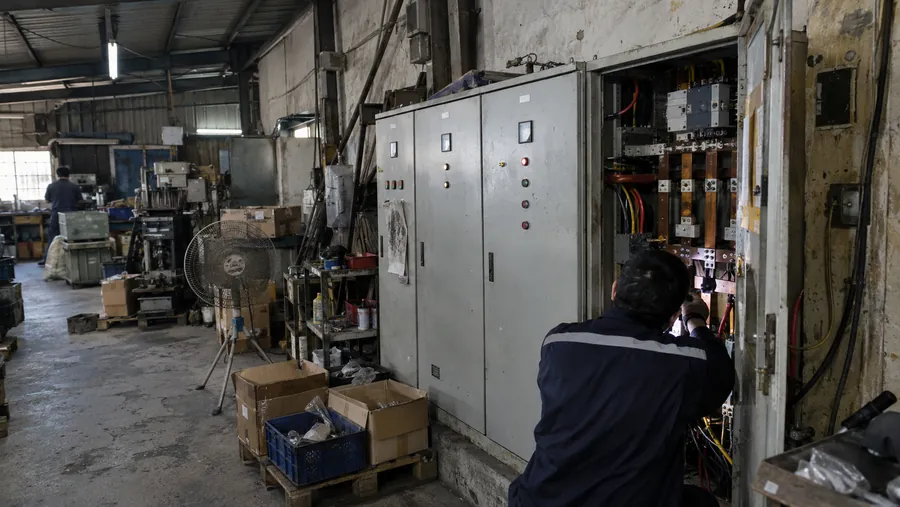
An equipment list, a panel photo or a problem you face every day is enough to start.
- 01An equipment list
- 02A panel photo
- 03A problem you face every day